Discover how B2B revenue teams use executive events to multi-thread buying committees, overcome champion fatigue, and accelerate enterprise deal velocity.

Every enterprise sales representative knows the sinking feeling of a single-threaded deal. You identify an exceptional champion, such as an energetic Vice President of Marketing or a forward-thinking Head of Engineering who immediately grasps your solution. Your discovery calls proceed smoothly, your product demo satisfies every technical requirement, and your champion promises that formal budget approval will be confirmed at the next steering committee session.
Then momentum halts. Two weeks of silence turn into six weeks of unreturned messages. Behind closed doors, an unseen Chief Financial Officer, a cautious Chief Information Security Officer, and a risk-averse procurement team quietly tabled the initiative. Your champion was completely sincere, but they were left alone in a conference room to defend your pricing, security architecture, and rollout schedule against colleagues who manage separate budgets and competing organizational priorities.
Enterprise technology is rarely purchased by a single decision-maker. Modern corporate procurement decisions typically involve between 10 and 14 individual stakeholders across operations, information technology, finance, legal counsel, and executive management. Every single one of them holds quiet veto power over your commercial proposal.
When revenue leaders talk about multi-threading, the tactic often degenerates into five sales reps firing off five automated email cadences to five executives in the same building. That is not true multi-threading; it is simply coordinated cold outreach. Authentic multi-threading requires shared conversational context. That is why curated executive gatherings have become the most reliable consensus-building format in modern enterprise marketing.
Enterprise deals rarely collapse because a competing vendor offered a slightly lower price point. They stall because the customer internal buying committee failed to reach consensus. Industry benchmarks reveal that enterprise buyers spend more than 80% of their total purchasing journey aligning internal teams and less than 20% actually speaking directly with external vendors.
When you rely on a single contact inside an enterprise account, your sales cycle encounters three major roadblocks:
To close enterprise deals predictably, revenue teams cannot expect a champion to act as their primary sales advocate. You need direct, peer-level relationships across the entire buying collective. This reality is reflected across Connex Group client results, where engaging multiple decision-makers consistently accelerates deal progression and protects pipeline stability.
When marketing and sales leaders notice an enterprise opportunity has stalled, their instinctive reaction is often brute outbound force. Sales teams dispatch automated email sequences to the Chief Financial Officer, send generic connection requests to the Chief Information Officer, and invite department heads to corporate webinars.
Senior corporate leaders recognize automated outreach immediately. Executive assistants filter cold messaging by default, and uncoordinated vendor touches landing in multiple inboxes create friction rather than trust. When several department leaders at the same enterprise receive disconnected pitches from one vendor, it signals that the vendor does not understand how their company operates.
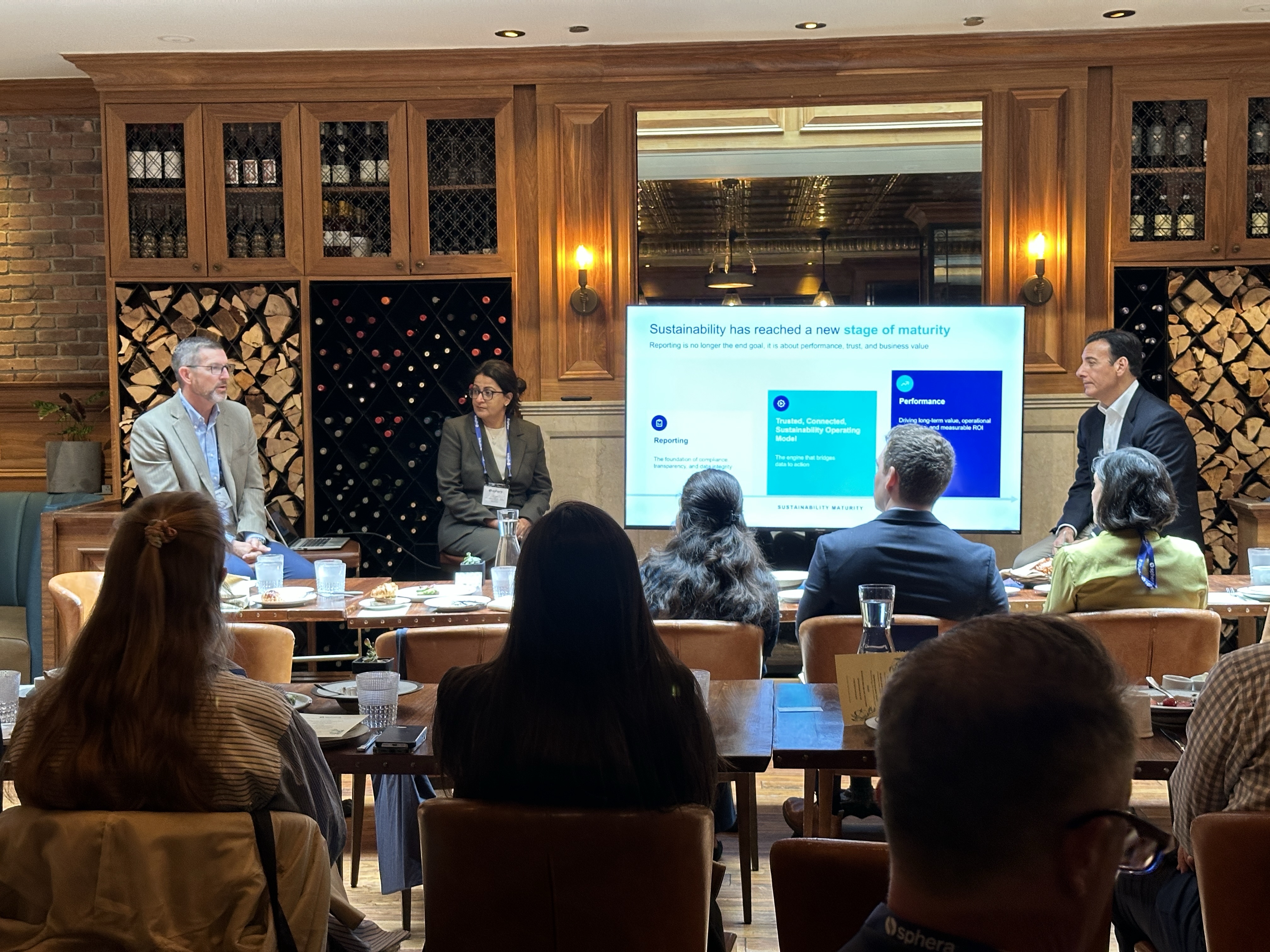
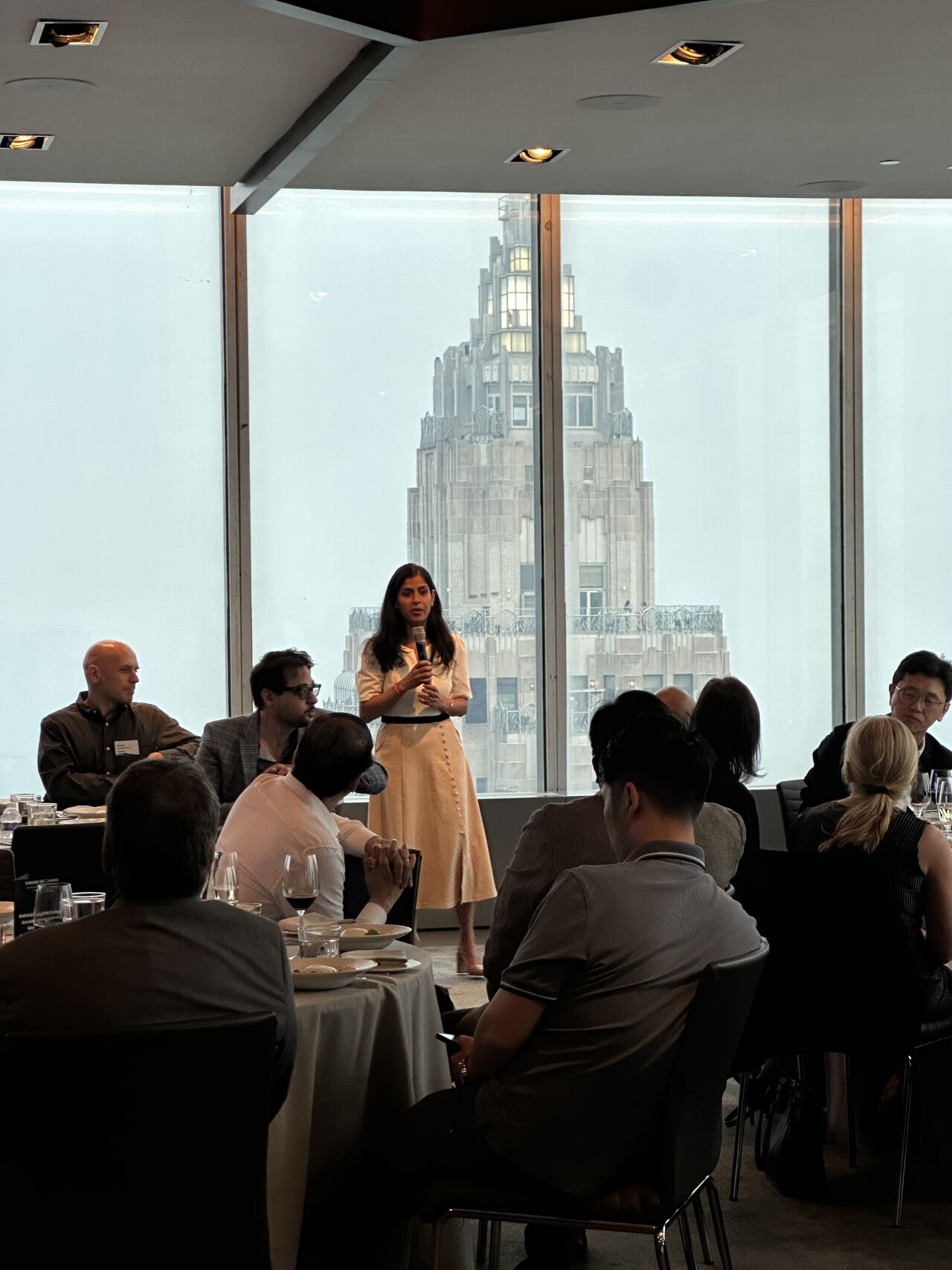
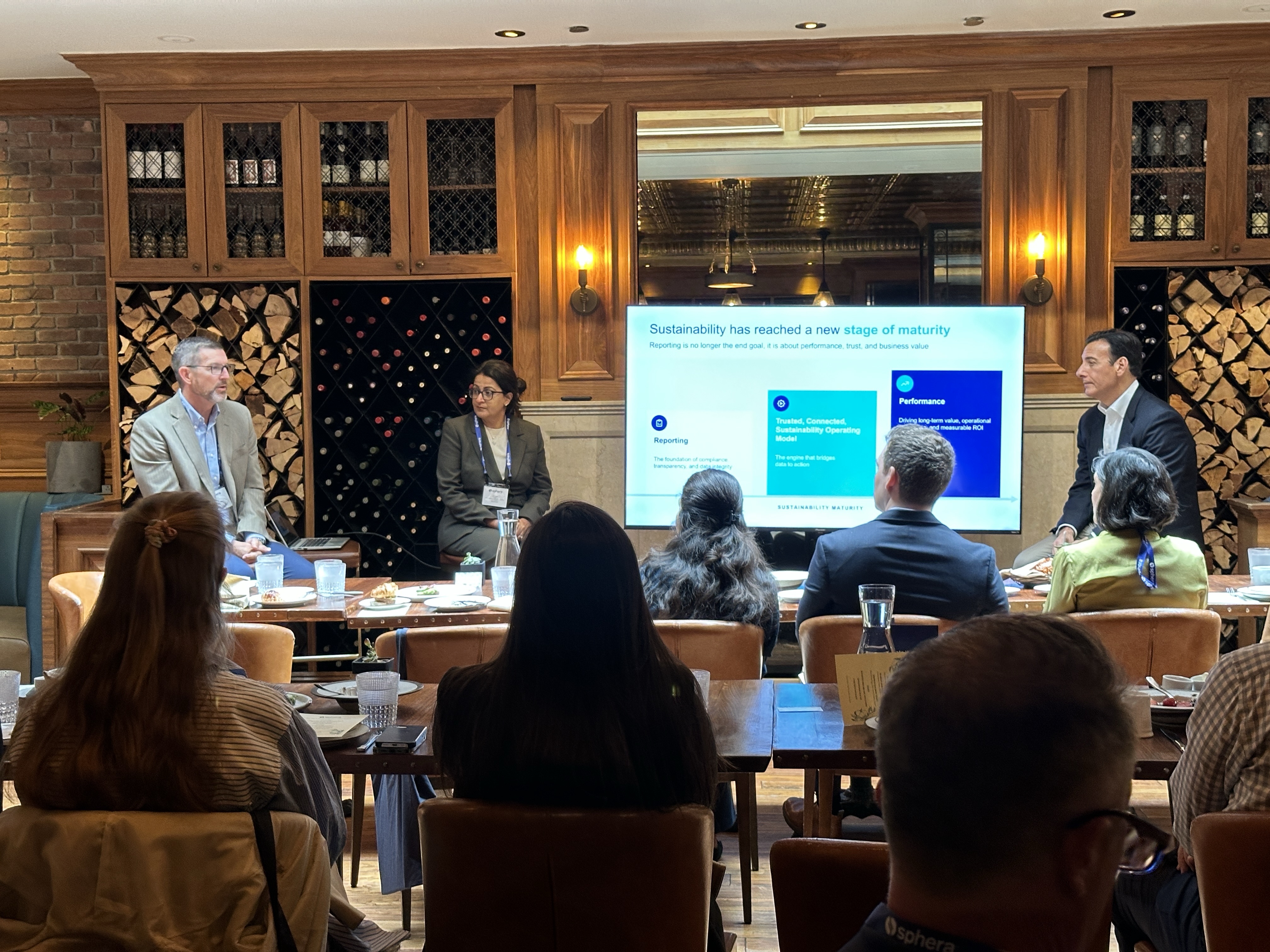
Senior executives do not attend generic sales presentations disguised as briefings. However, they consistently prioritize closed-door discussions with true industry peers who face identical commercial pressures. That appetite for peer collaboration is what makes in-person executive roundtables uniquely powerful for breaking through corporate gatekeepers.
Before launching an account-based event initiative, revenue teams must map the distinct personas within each target enterprise. Every executive arrives at an event with distinct fiduciary responsibilities and practical priorities:
Securing support from only the strategic champion leaves your deal exposed to sudden vetoes from technical or financial reviewers. An effective account strategy brings these stakeholders into a common dialogue. By combining tailored outreach with professional targeted executive audience acquisition, enterprise teams can engage these distinct personas simultaneously without creating friction between departments.
How do you invite multiple leaders from the same target company without making the outreach feel invasive? The answer lies in framing the event around an overarching business challenge rather than a product demonstration.
Instead of distributing generic invitations, sophisticated revenue teams implement a cluster strategy where each leader receives an invitation tailored to their functional responsibilities:
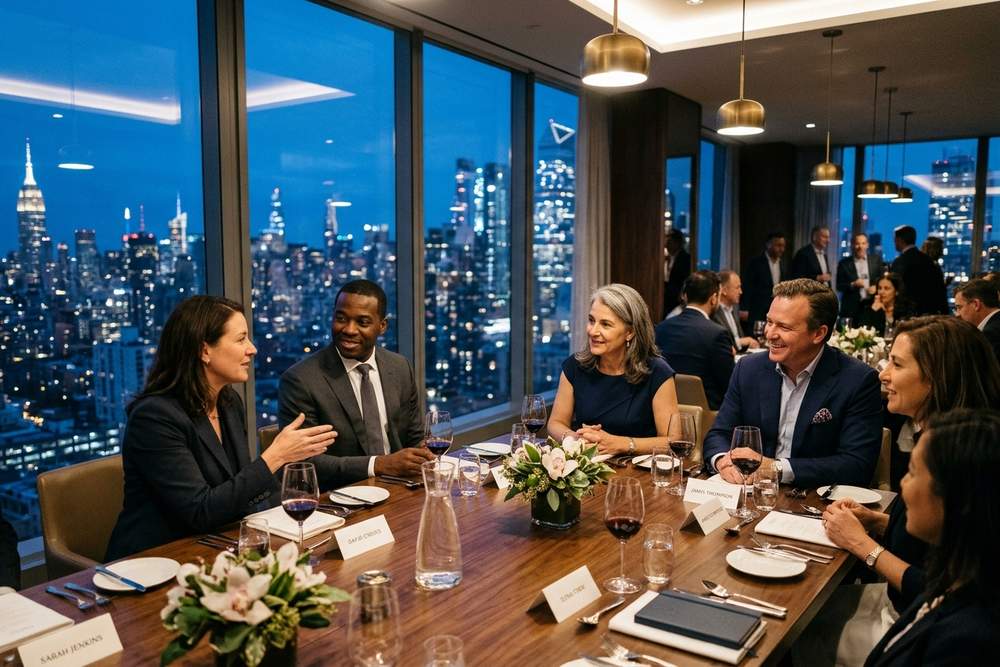
When two or three colleagues discover that each has received an invitation to the same high-level forum, the event changes from a routine vendor invitation into a shared executive priority. This format can be deployed through physical dinners or structured virtual executive roundtables, giving distributed leadership teams a convenient, collaborative forum to evaluate category best practices together.
The foundational element of an effective executive gathering is psychological safety. In standard vendor meetings, enterprise leaders are cautious. They rarely disclose internal challenges, tooling frustrations, or budget constraints.
Operating under the Chatham House Rule changes the room entirely. Because participants may freely use the information received while keeping identities and company affiliations confidential, attendees speak transparently. When a neutral moderator invites the room to discuss operational bottlenecks, executives hear respected peers from non-competing enterprises describe identical challenges.
When a Chief Financial Officer hears a peer from another major enterprise explain why legacy tooling is eroding operating margins, internal resistance dissolves. Consensus is generated through peer validation rather than vendor persuasion.
For buying committee members seated at the same table, that third-party validation creates immediate alignment. The financial buyer understands why the project matters, while the technical lead learns how peer organizations resolved architectural hurdles.
What happens after the event concludes determines whether your investment yields enterprise pipeline or merely an enjoyable evening. Passing an attendee list to sales development reps for generic follow-up calls immediately erodes the credibility built during the session.
Instead, revenue teams should execute a deliberate post-event cadence:
This deliberate sequence transforms dinner conversations into qualified enterprise opportunities. Revenue leaders looking to establish this operational model often partner with specialists who build bespoke ABM event programmes tailored directly to their target account lists and pipeline targets.
Evaluating an executive event purely on lead counts misses the commercial impact on large accounts. In complex B2B sales cycles, the true performance indicators are Committee Coverage Ratio and sales cycle velocity.
Committee Coverage Ratio measures the proportion of key buying committee archetypes engaged within a named enterprise account. Progressing an account from a single contact to three active contacts across business, finance, and technical departments dramatically improves win rates.
Simultaneously, deal velocity improves substantially. When several decision-makers spend an evening discussing industry challenges alongside peers, you bypass months of internal scheduling delays and fragmented email chains.
Enterprise deals do not stall because organizations run out of capital. They stall because the buying committee lacks internal trust, shared urgency, and cross-departmental alignment.
Executive dinners and roundtables are not simple relationship-building perks; they represent an effective consensus-building architecture for modern revenue teams. When you bring the right decision-makers into an authentic peer forum, you dismantle the single-champion bottleneck and turn complex buying groups into committed commercial partners.
If your team wants to unlock stalled enterprise opportunities and build meaningful executive relationships, you can connect with our event strategy team to review bespoke programmes for your target accounts.
Multi-threading is the strategic practice of cultivating active business relationships across multiple decision-makers and departments within a target enterprise account. Rather than relying on a single champion, the sales organization engages executive sponsors, technical gatekeepers, and economic buyers simultaneously to secure widespread organizational alignment.
According to research from major industry analysts, complex B2B enterprise purchases involve an average of 10 to 14 individual stakeholders. These participants span diverse functions including finance, security architecture, information technology, legal compliance, and daily operations.
Single-threaded deals stall because an isolated champion rarely possesses the authority or cross-departmental context needed to overcome objections from finance or security leaders. If that sole contact is outvoted internally, changes roles, or faces sudden company reorganizations, the deal quietly collapses.
Executive roundtables gather cross-functional leaders in an intimate, vendor-neutral peer environment. Operating under the Chatham House Rule, participants discuss pressing operational challenges openly, allowing buying committee members to build consensus through third-party peer validation rather than vendor sales pressure.
Beyond traditional attendance counts, leading revenue teams measure Committee Coverage Ratio, which tracks the percentage of key committee archetypes engaged, alongside sales cycle velocity compression and attributed pipeline progression over 90-to-180-day evaluation windows.

we partner with ambitious teams to solve real problems, ship better products, and drive lasting results.
Read more Case Studies & Insights