Compare executive roundtables and dinners by ABM objective, sales stage, and account goals to choose the right format for your next executive event.

Somebody on the events team asks, "Roundtable or dinner?" and the answer usually ends up being, "Whichever we ran last quarter."
Roundtables and dinners aren't two versions of the same intimate event. They are built to do different jobs. Picking one because it's familiar, rather than because it fits the account and the objective, is how ABM programs end up with a room full of the right logos but the wrong conversation.
The real question isn't which format is better. It's which format fits the objective, the relationship stage and the accounts you need to move.
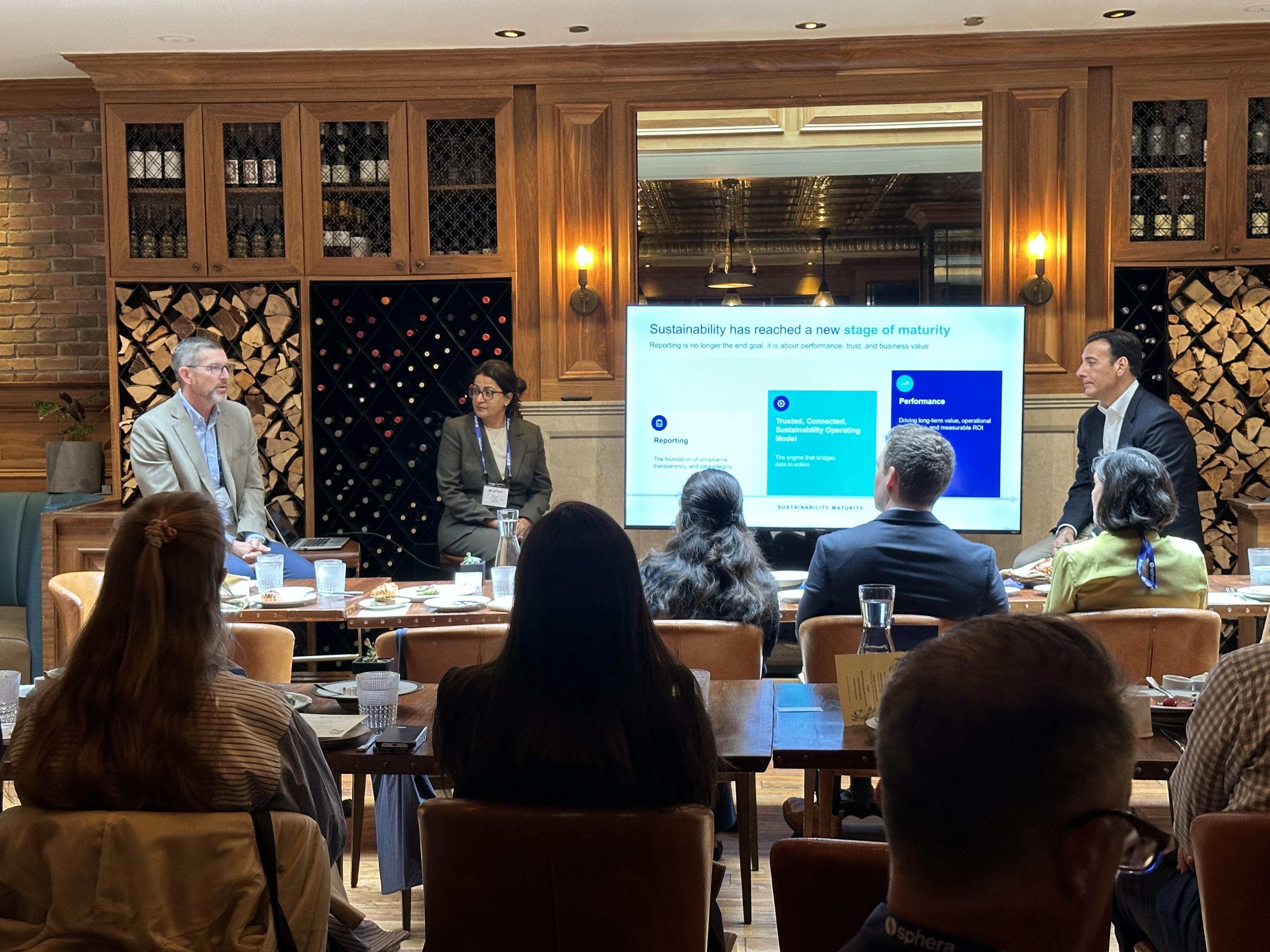
A roundtable is a small, moderated discussion built around a specific business challenge or category theme. Nobody is there to sit through a presentation. The moderator sets the direction, asks the questions and keeps the conversation moving between peers.
Many executive roundtables are built around 8 to 15 senior participants. A moderated discussion often runs for 60 to 90 minutes, although the overall experience can be longer when networking or dinner is included.
What is the format good at?
Establishing a category narrative. Creating peer-to-peer credibility. Positioning the host as a facilitator rather than simply a vendor. And generating useful insight because every attendee is responding to a shared question.
It can also be a relatively easy ask for a senior executive to justify internally. A focused discussion around a relevant business issue is easier to explain than an evening that appears to be nothing more than dinner with a vendor.
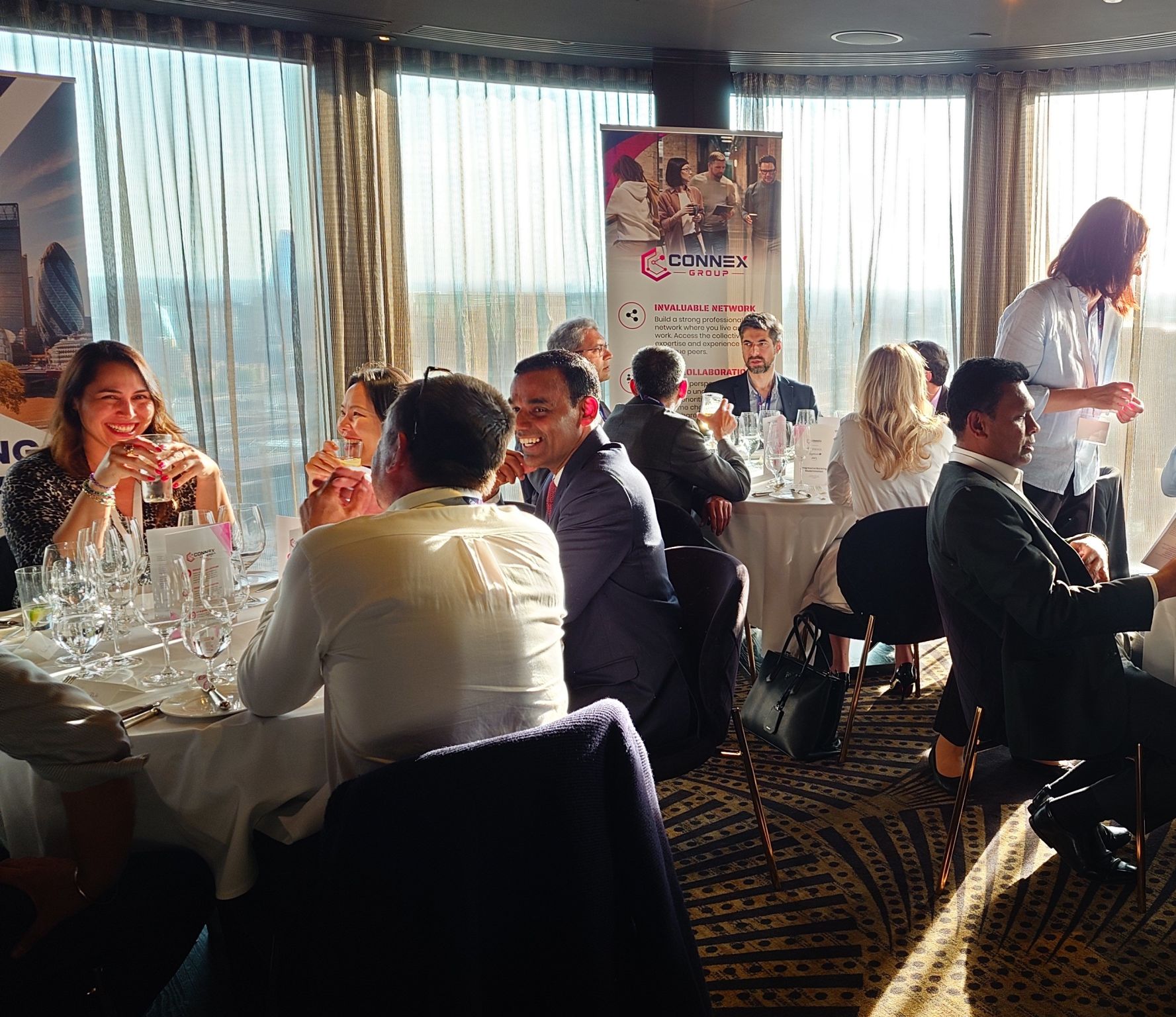
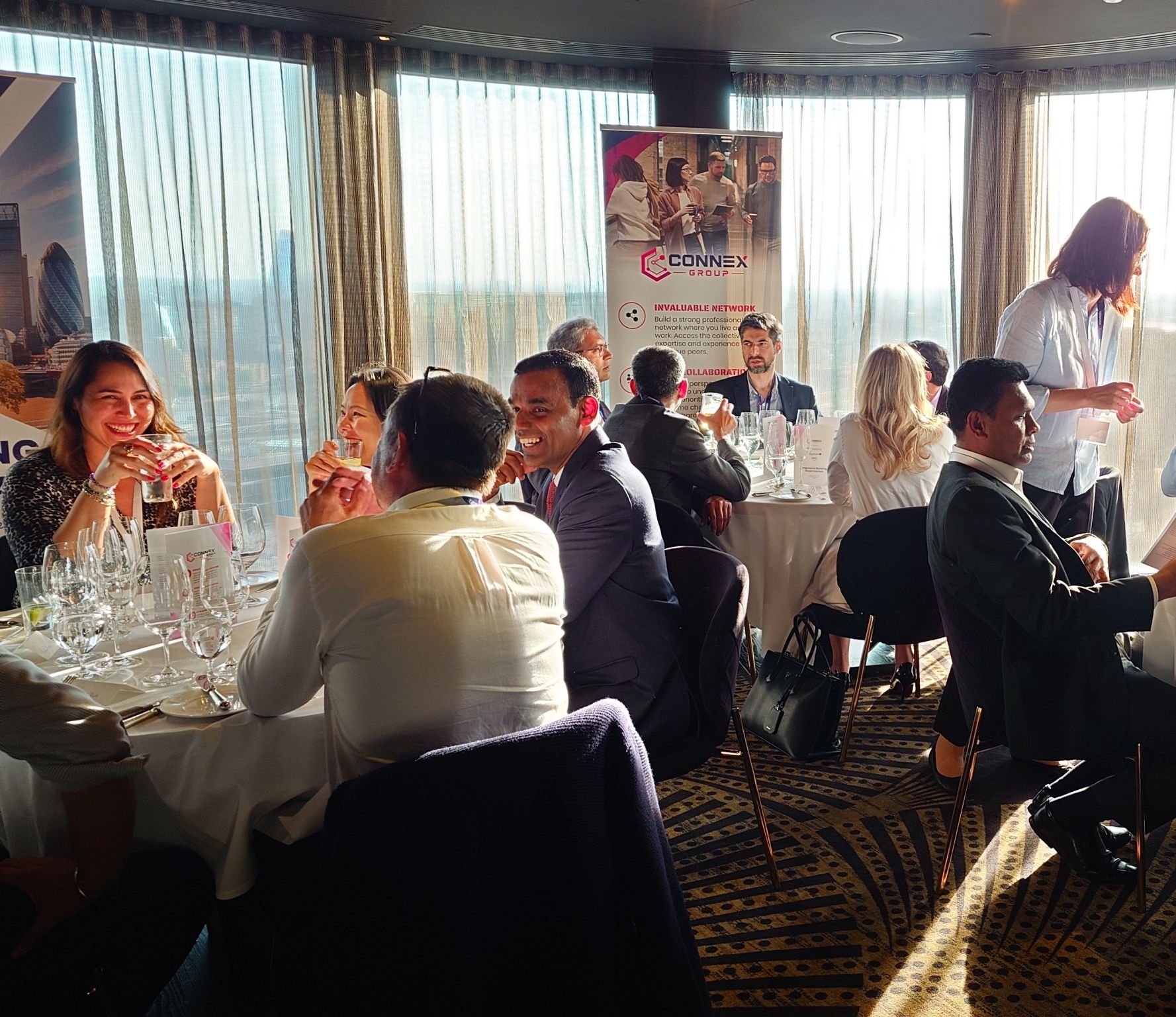
A dinner is a hosted peer conversation with less structure and more room for the discussion to develop naturally. There is usually less emphasis on a formal agenda. The table shapes the conversation, which is what makes the format useful for trust-building, candid discussion and deeper relationships.
Executive dinners can work across both new-logo and existing-account strategies. For colder accounts, the quality of the peer group, relevance of the topic and positioning of the invitation become particularly important. For established accounts, the dinner format can provide additional space for deeper relationship-building.
In practice, the hybrid format deserves to be treated as its own option rather than a footnote between the two.
The structure is simple: a moderated discussion first, followed by dinner. The roundtable gives people a reason to attend — it provides the topic, the context and the peer framing that makes the invitation relevant. Dinner then gives the relationship more room to develop once the formal discussion is over.
We've delivered both formats globally, and increasingly clients combine them: a focused moderated discussion followed by dinner gives executives a clear reason to attend while preserving time for informal relationship-building.
The sequencing matters:
The objective should drive the format, not team habit.
Format to Consider: Roundtable, or a well-curated peer dinner.
Why: A focused discussion or a tightly curated peer dinner can both make the initial invitation easier to justify — the key variable is the quality and relevance of who else is in the room.
Format to Consider: Dinner or Hybrid format.
Why: When a relationship already exists, deeper conversation and trust may matter more than additional category education.
Format to Consider: Dinner-leaning format.
Why: Existing trust creates more room for open conversation about priorities, challenges and potential areas of expansion.
Format to Consider: Structured Roundtable.
Why: A structured peer discussion keeps the focus on the issue, the insight and the quality of the conversation.
The pattern is fairly straightforward: roundtables lean on shared topic and structure to build credibility quickly, while dinners lean on hospitality and space to let relationships develop. Both can support new-logo acquisition or account growth — the right choice depends on the account list, not a fixed rule about relationship maturity.
The ABM objective is only the starting point. A few other factors can change the decision:
Defaulting to the format your team is most comfortable running is worth watching for. A team that only ever runs dinners can find a reason every account "needs" one. A team that only runs roundtables can do exactly the same thing in reverse. That's operational habit, not strategy.
Format choice isn't just an experience decision. It affects what you're able to measure afterward.
A roundtable tends to produce engagement and content signals: who spoke, which themes came up, which ideas can inform follow-up content.
A dinner tends to produce more relationship and opportunity signals: what changed in the account, what the sales team learned, whether the conversation opened a new door or moved an existing opportunity forward.
Measuring a dinner mainly by content output can miss the reason it was held in the first place. Measuring a roundtable only by deal velocity can miss the value of the peer engagement and insight it created. The measurement model should reflect the job the format was designed to do.
Roundtable versus dinner is a strategic choice that should reflect where the account sits, what you want to accomplish and how much relationship already exists.
New-logo acquisition, active opportunities, customer expansion and category positioning may all call for different approaches. The right format can create the conditions for the conversation you actually need.
That's why the decision shouldn't start with, "What did we run last quarter?" It should start with, "What does this account need next?"


we partner with ambitious teams to solve real problems, ship better products, and drive lasting results.
Read more Case Studies & Insights