
B2B buyers are overloaded with generic content and forgettable events. A roundtable discussion cuts through that noise by creating a focused, high‑value conversation between peers, either as a B2B in‑person event or a virtual experience. When you design roundtables as personalized experiences tied to ABM and demand generation, they become one of the most efficient ways to influence buying committees and prove ROI.
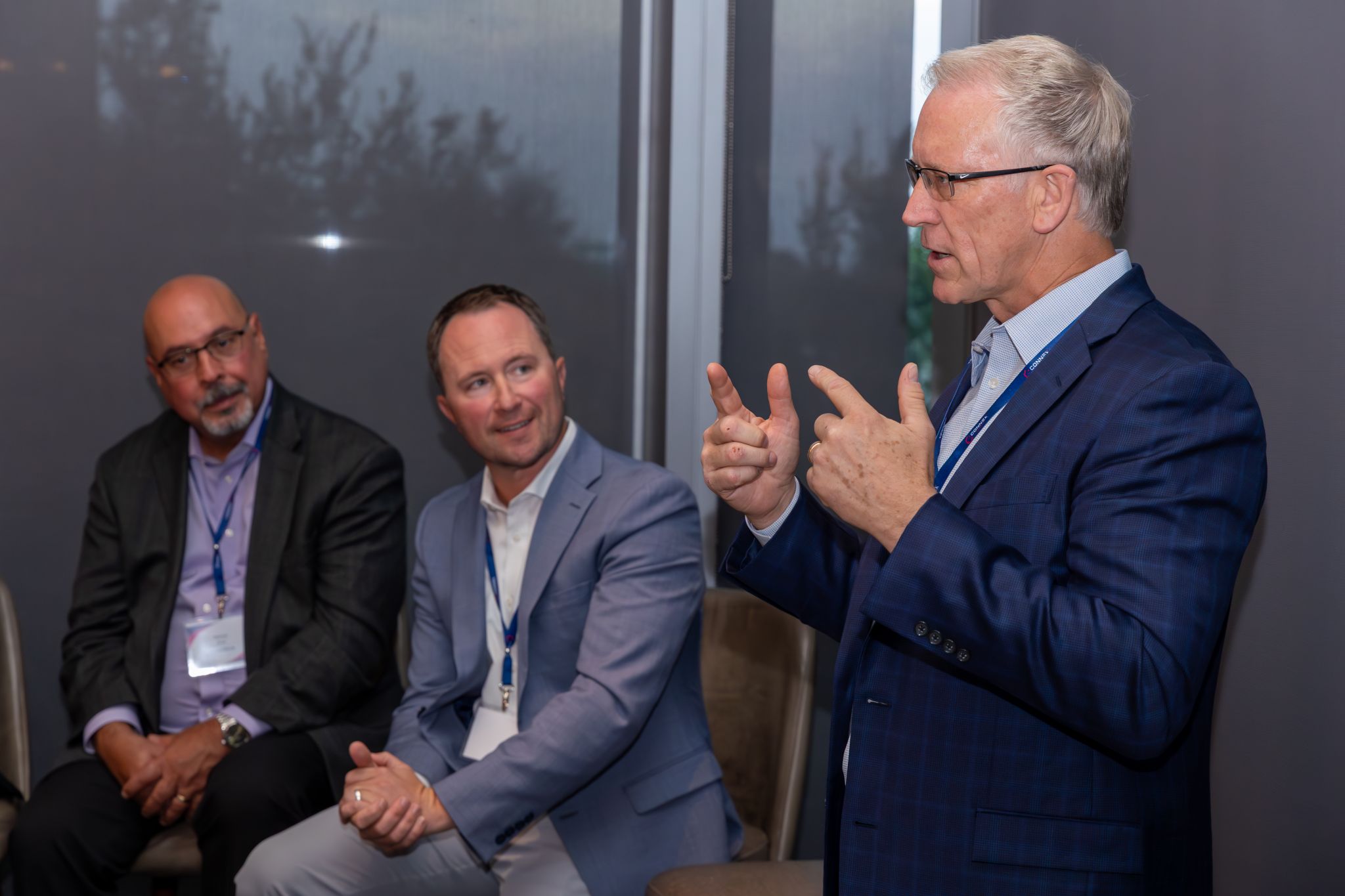
A B2B roundtable discussion is an invite‑only, small‑group session (typically 8–20 people) where peers with similar roles or challenges discuss a specific topic in a moderated, many‑to‑many format. Unlike a webinar, everyone is encouraged to contribute, ask questions, and share what is and isn’t working inside their organization.
You can run roundtables as:
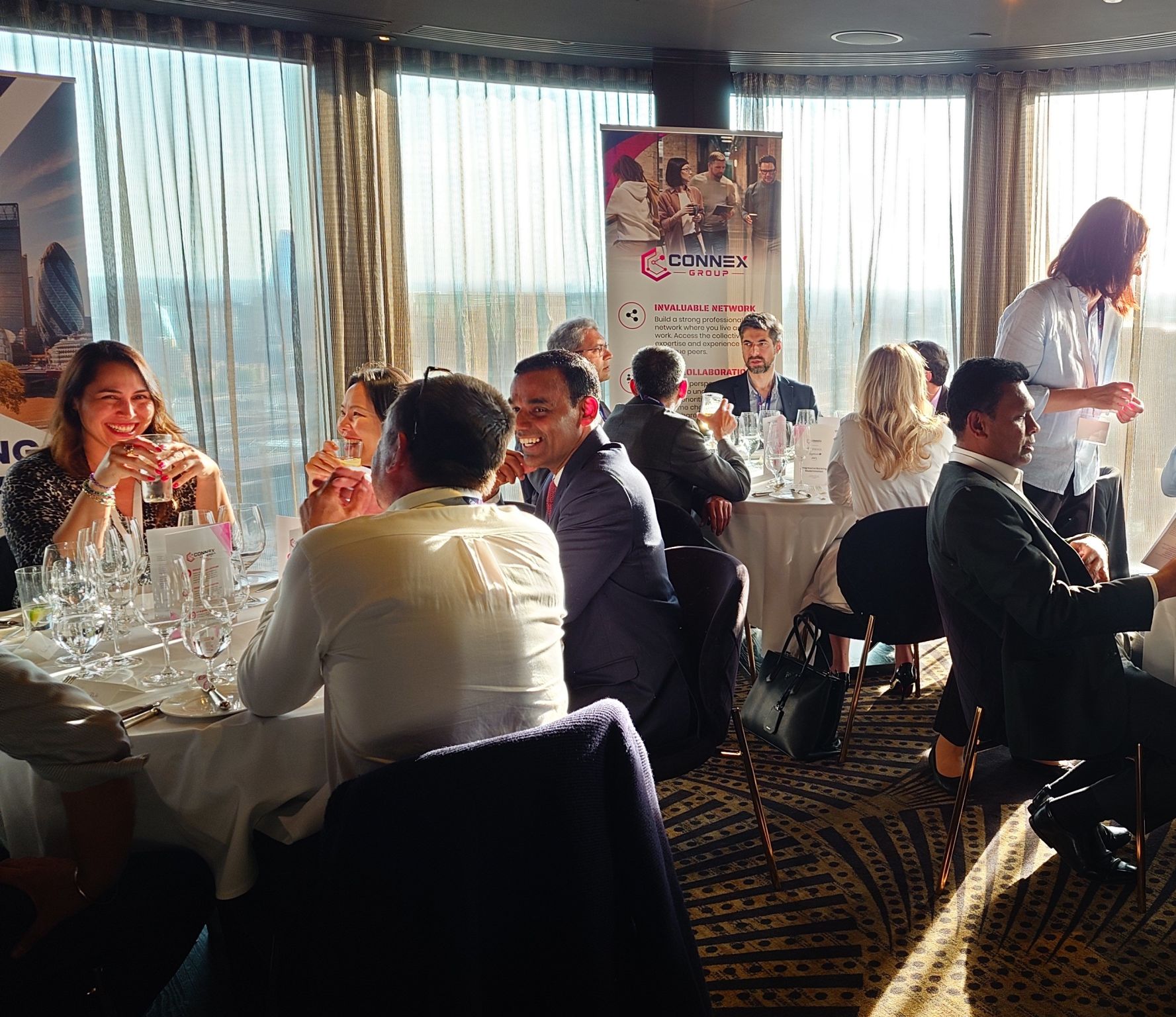
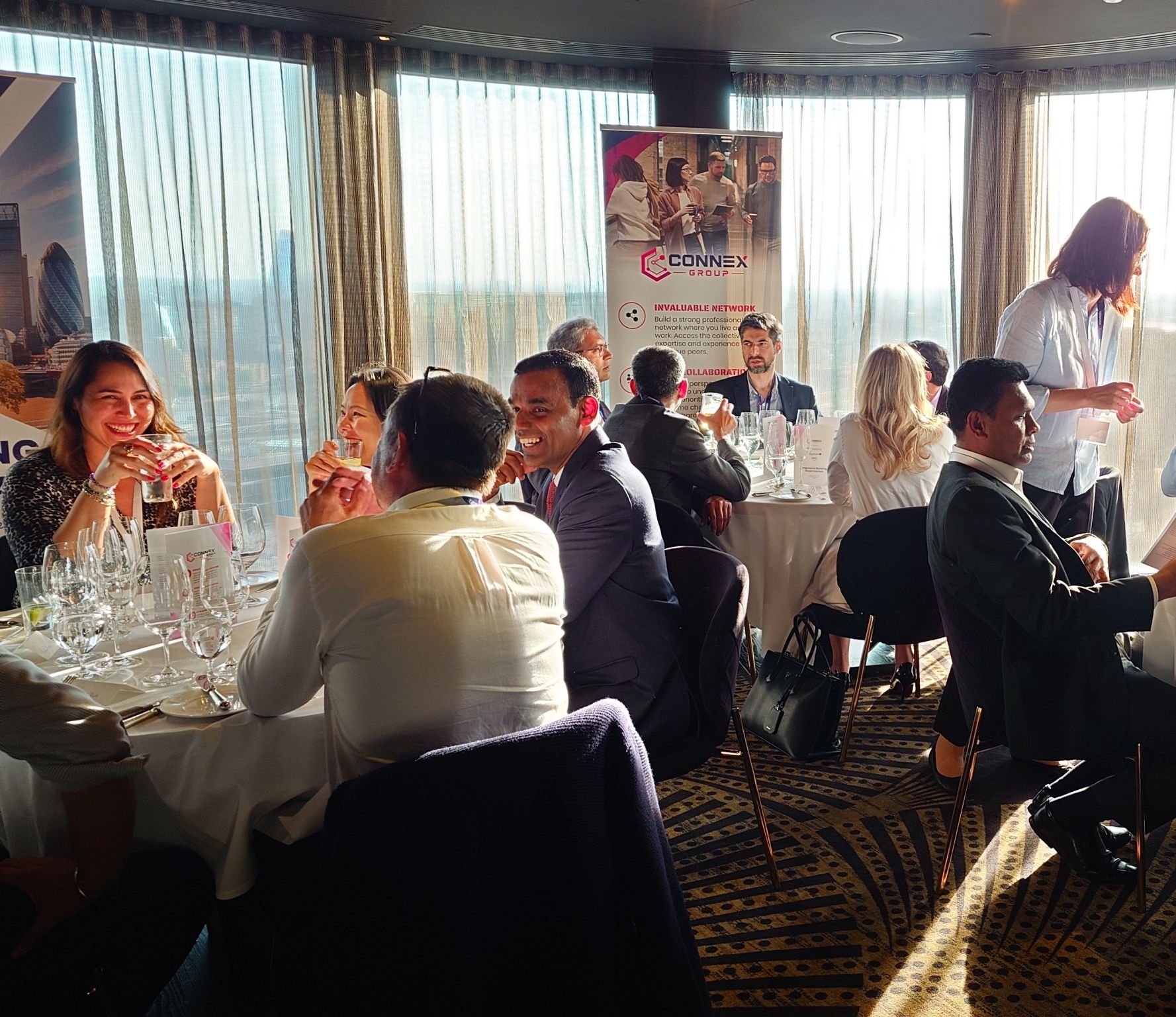
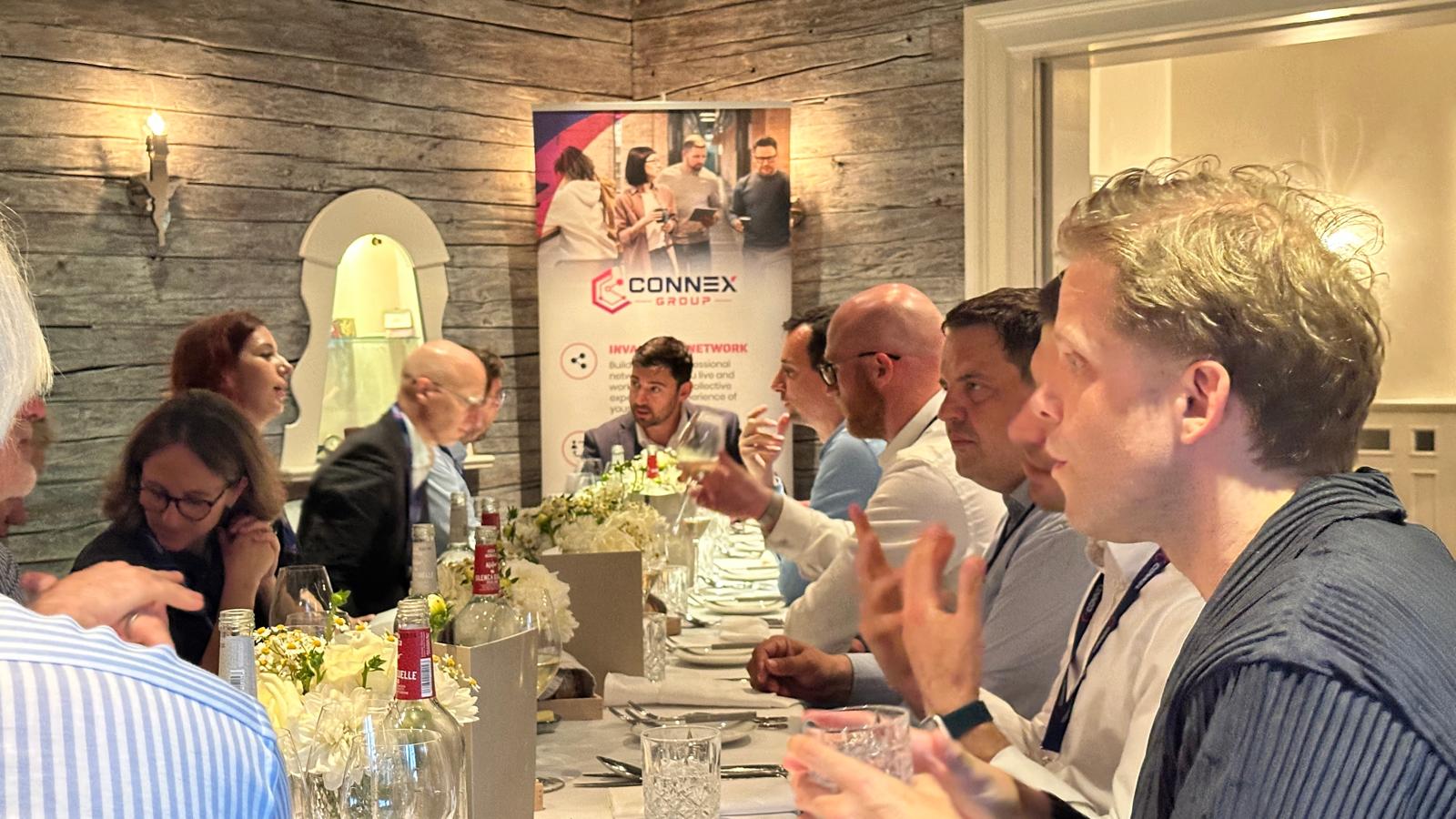
B2B in‑person events, often over a lunch, dinner, or half‑day workshop at a venue that encourages open conversation.
Virtual roundtables, where senior decision‑makers join from different locations for a structured discussion on a video platform.
In both cases, your brand plays the role of facilitator, creating a safe space for honest dialogue instead of delivering a one‑way sales pitch.
Roundtables map naturally to modern ABM and demand‑generation strategies because they target the right people, with the right message, in the right format.
ABM is about engaging entire buying committees, not just individual leads. Virtual and in‑person roundtables let you bring multiple stakeholders from your target accounts into one experience where they can:
This kind of interaction is difficult to achieve through one‑to‑many webinars or cold outbound alone.
Event marketing is a proven driver of demand; many B2B marketers rank events among their most effective lead‑generation channels. Roundtables are especially powerful because:
Instead of a long list of low‑intent leads, you walk away with a small number of highly qualified, sales‑accepted leads (SALs).
Budgets for B2B in‑person events are under pressure, and marketers are expected to prove measurable ROI. Roundtables help by:
Studies and benchmarks show that well‑executed B2B events can achieve strong ROI (often cited in the 3:1 to 5:1 range), especially when integrated with a structured demand‑gen and follow‑up plan.
Both formats can drive pipeline; the choice depends on your goals, audience, and resources.
In‑person B2B roundtables – strengths
In‑person B2B roundtables – best use cases
Virtual roundtables – strengths
Virtual roundtables – best use cases
How advanced teams combine both
Many advanced teams blend both, using virtual roundtables to warm accounts and in‑person experiences to deepen relationships and close deals.
Personalized experiences are at the heart of modern ABM and high‑performing B2B events. Rather than generic agendas, successful roundtables are tailored around
In ABM, personalization leads to stronger engagement, better conversion rates, and a smoother buyer journey, especially in complex purchases. Roundtables let you deliver this personalization live—through the topic, invite list, talking points, and follow‑up content.
To connect roundtables to ROI, treat them as part of a structured demand‑generation program, not a standalone “nice‑to‑have” event.
Key levers include:
Teams that do this well report stronger pipeline influence and faster progression from marketing‑qualified to sales‑accepted and opportunity stages.
Personalized experiences are at the heart of modern ABM and high‑performing B2B events. Rather than generic agendas, successful roundtables are tailored around
In ABM, personalization leads to stronger engagement, better conversion rates, and a smoother buyer journey, especially in complex purchases. Roundtables let you deliver this personalization live—through the topic, invite list, talking points, and follow‑up content.
To connect roundtables to ROI, treat them as part of a structured demand‑generation program, not a standalone “nice‑to‑have” event.
Key levers include:
Teams that do this well report stronger pipeline influence and faster progression from marketing‑qualified to sales‑accepted and opportunity stages.

we partner with ambitious teams to solve real problems, ship better products, and drive lasting results.
Read more Case Studies & Insights