Compare executive dinners vs trade shows. Discover cost per lead, executive buyer preferences, and how to allocate your B2B field marketing budget.

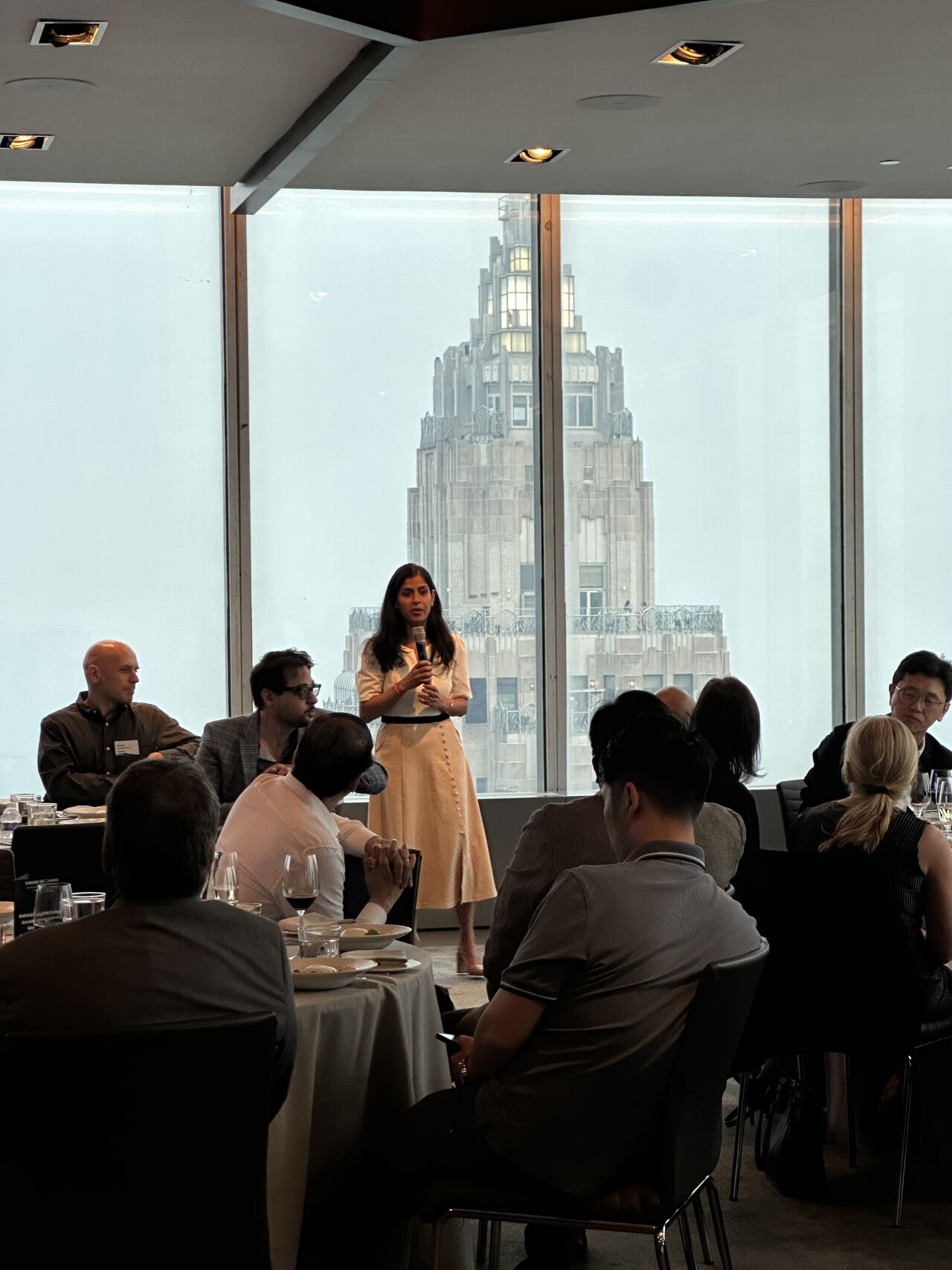
Ask any field marketer where the best conversation at last year's big industry expo happened. Odds are it wasn't in the noisy exhibit hall at the booth. It was the private dinner the night before, or the quiet drink after the show floor closed.
That is the core rationale for choosing executive dinners over trade shows, and why B2B revenue teams are reallocating their field marketing budgets. Post-event surveys consistently reveal that the most commercially valuable moments are private side conversations, not badge scans. But an intimate dinner for twelve serves a completely different objective than an expo hall of thousands. So where should your event budget actually go?
Executive dinners win decisively on cost per senior conversation. Trade shows win on raw brand visibility and broad ecosystem reach. That is the fundamental trade-off backed by industry benchmarks.
A curated dinner format consistently yields a higher return per marketing dollar invested, whereas trade show sponsorship delivers larger gross top-of-funnel pipeline volume. Choosing between executive dinners and trade shows is not a binary contest — it is about aligning format with strategic commercial intent.
Evaluating trade shows requires looking well beyond booth footprint costs. Small-to-midsize exhibitors typically allocate $10,000 to $30,000 for an expo presence. However, exhibit space is only a fraction of total expense. Standard event planning models recommend multiplying floor space cost by three once travel, lodging, freight, booth construction, electrical services, and hospitality are tallied.
Industry research shows that enterprise exhibitors allocate approximately 31.6% of their entire marketing budgets to trade shows and large conferences. That is a massive operational commitment riding on a 48-to-72-hour window.
Executive dinners require significantly less capital per event, though scope determines the final investment:
On a per-qualified-meeting basis, curated executive dinners benchmark at approximately $3,000 per meeting, compared to $6,000 for an event hospitality suite and $3,500 for a structured workshop.
Understanding attendee psychology is critical. Senior enterprise buyers rarely wander trade show aisles hoping to encounter a vendor pitch. In fact, executive attendance at mass-scale trade conferences has shifted dramatically, with leaders prioritizing private peer environments to accelerate strategic initiatives.
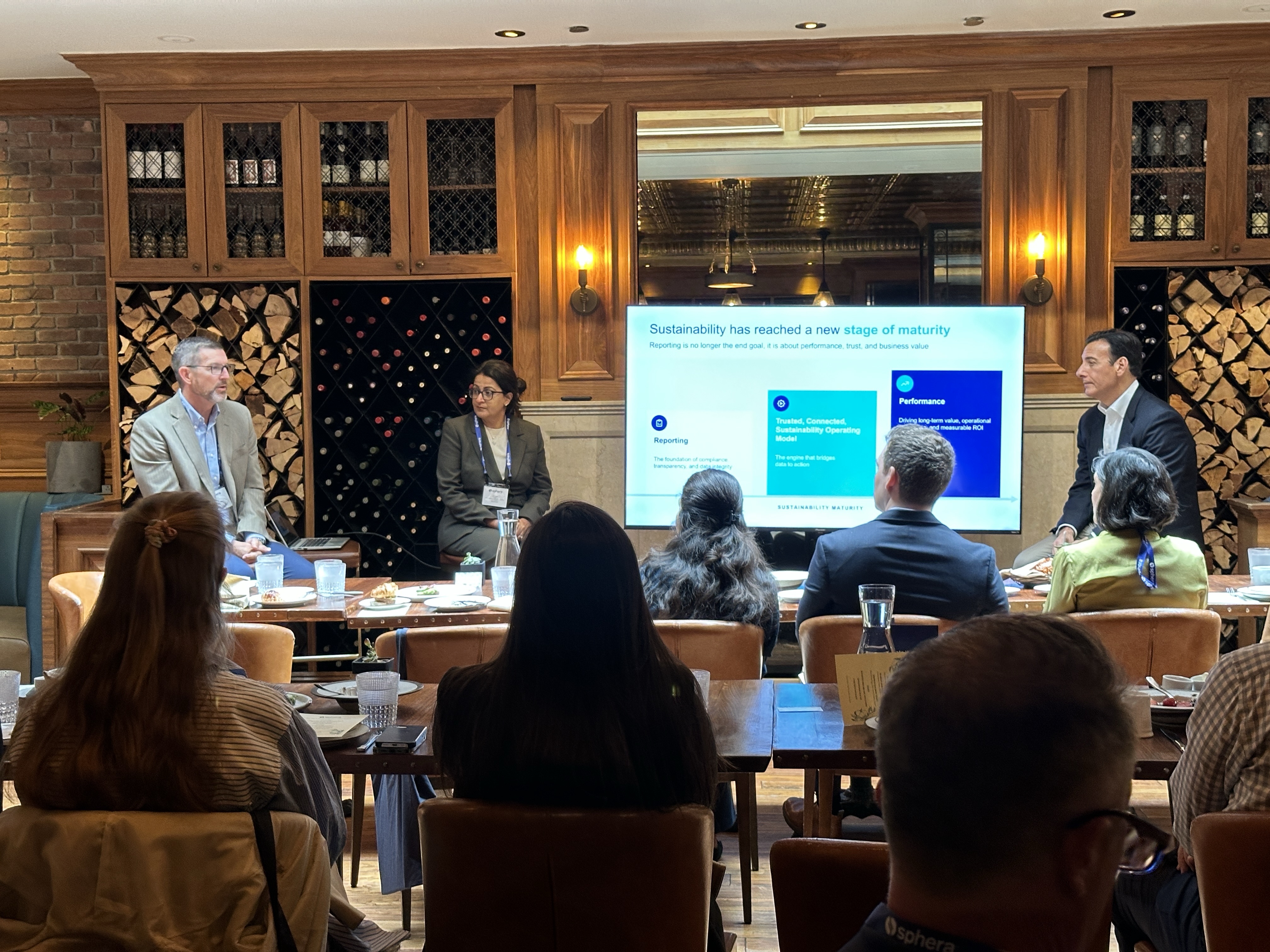
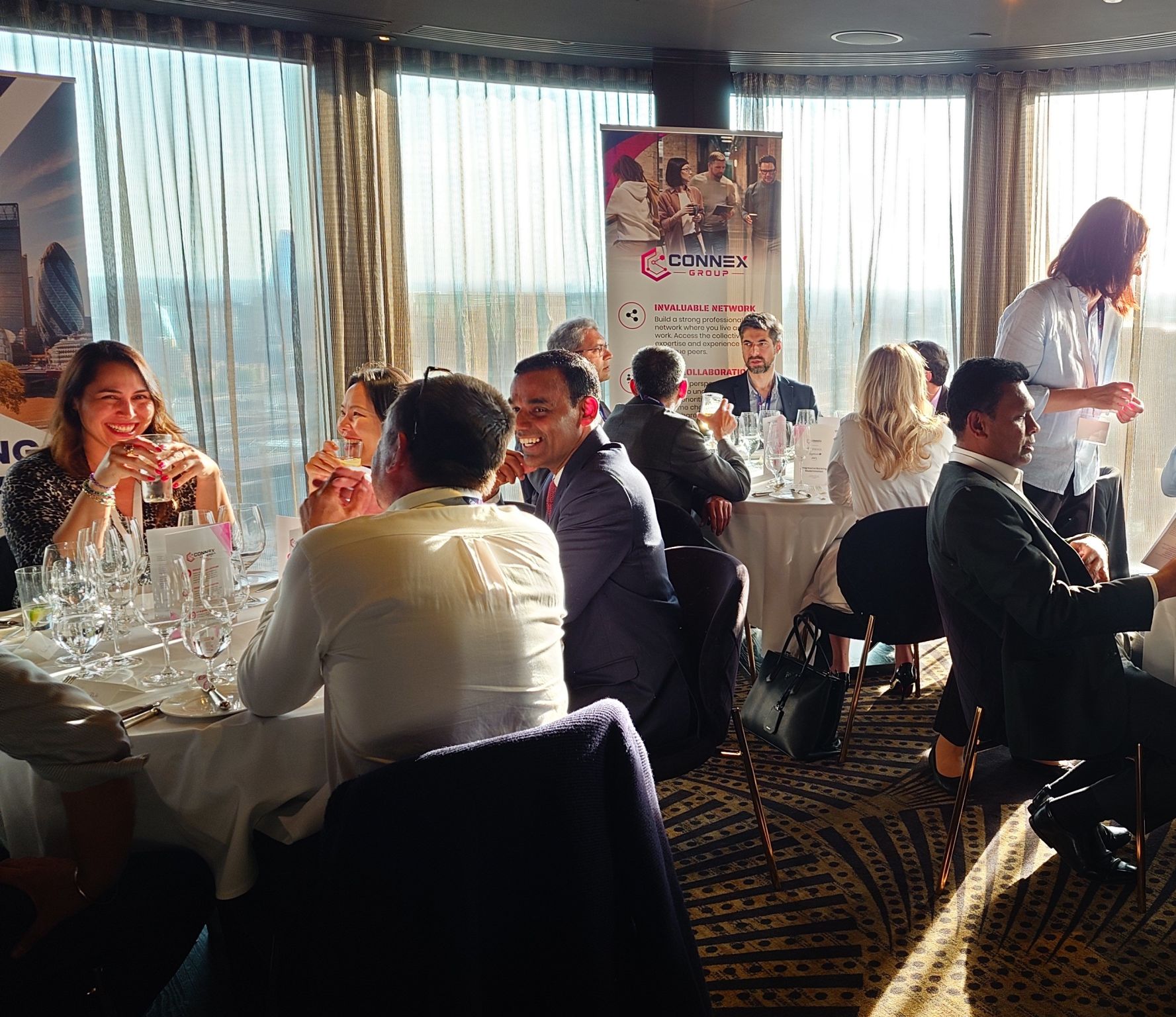
The strategic advantage of executive dinners is straightforward: instead of collecting hundreds of unqualified badge scans from booth visitors who never respond to SDR follow-ups, your executive team engages twelve active buyers from target accounts who are evaluating your category.
Senior leaders accept invitations for two core reasons:
A trade show floor provides neither environment by default. An executive roundtable provides both when curated properly. Research from leading advisory firms shows peer roundtables consistently drive the highest executive-level conversion rates, particularly when rooms blend 60–70% existing client advocates with 30–40% key prospect accounts.
Keep in mind that senior executives receive multiple event invitations weekly. Generic, sales-heavy dinners fail to convert — only thoughtful, curated gatherings command their attendance.
Trade shows still hold an essential place in B2B marketing. Private dinners have a fundamental prerequisite: target buyers must have sufficient brand awareness to accept your invitation. If your brand is entering a new market or launching a new category, a trade show floor provides visibility that a private dinner cannot match.
Industry data confirms that conference sponsorships generate larger gross pipeline numbers because of total foot traffic. The key differentiator between successful and unsuccessful exhibitors is advance meeting booking. When revenue teams pre-schedule 30 to 50 executive briefings before stepping onto the show floor, trade shows justify their spend.
For anchor industry conferences, top-performing marketing teams often combine both strategies: maintaining an exhibit presence while hosting an exclusive executive dinner during the conference.
Field marketing is not restricted to choosing between a standard booth and an executive dinner. B2B revenue teams leverage multiple high-touch formats across the buying cycle:
Savvy field marketing teams host private dinners alongside major trade shows. By locking in private venues six to eight weeks ahead, capping the table at 12–14 guests, and scheduling the dinner on night two, you leverage the conference to bring prospects to the city while conducting meaningful business in private.
Benchmark data indicates that B2B organizations allocate 15–25% of overall marketing spend to live events for mid-market companies, 20–35% for enterprise, and up to 40% when average deal size exceeds $200,000.
For example, if you have an annual field marketing budget of $100,000, an effective strategic allocation looks like:
Do not ask whether executive dinners or trade shows are better in the abstract. Ask which format secures a qualified second meeting with enterprise buyers at a customer acquisition cost your model can sustain.

we partner with ambitious teams to solve real problems, ship better products, and drive lasting results.
Read more Case Studies & Insights